Bengaluru
Upcoming Events
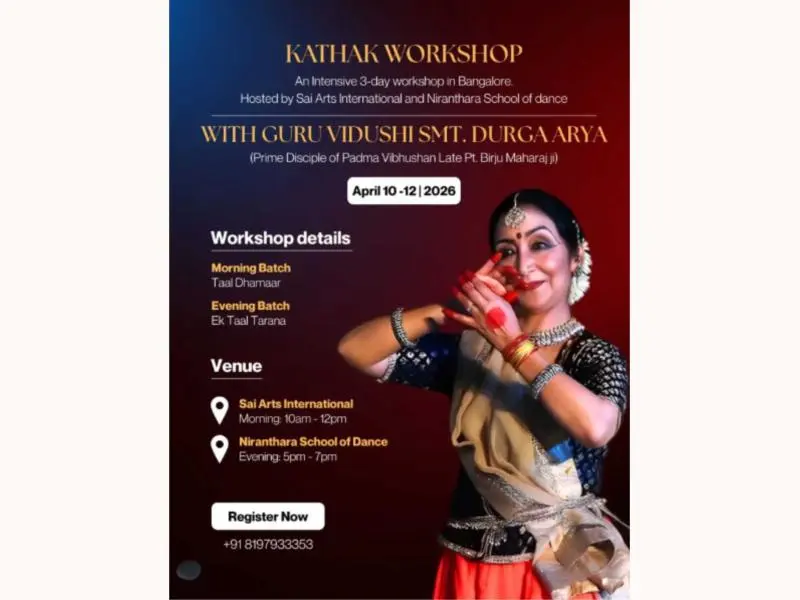
A 3-day Kathak workshop by Guru Durga Arya from 10–12 April 2026 in Bengaluru, hosted by Sai Arts International and Nira...

Sitar Ramarao Utsav 2026 celebrates the life and musical legacy of Pandit N. R. Rama Rao through an evening of Indian cl...


About Bengaluru
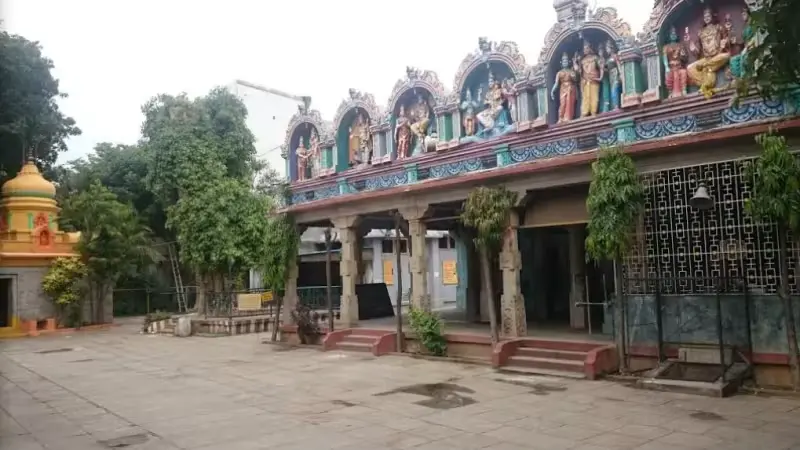
Bengaluru holds a prominent position in Indian classical music as one of the few global cities where both Carnatic and Hindustani traditions thrive concurrently. Despite its location in South India, the city’s musical identity was formed by the influential patronage of the Wodeyar Dynasty of Mysore. The Maharajas, particularly Nalvadi Krishnaraja Wodeyar, were discerning patrons of Carnatic music and active supporters of North Indian traditions, regularly inviting maestros from the Agra and Kirana Gharanas to perform at court. This inclusive patronage transformed the Bengaluru-Mysore region into a shelter for artists, establishing a "Sangeeta Kashi" where various musical traditions intersected.
The city serves as the spiritual centre of the Mysore Bani, a distinct school of Carnatic music characterised by its emphasis on "Raga Bhava" (the emotional essence of melody) and advanced instrumental techniques. Bengaluru is closely associated with the Saraswati Veena. Renowned "Vainikas" such as Veene Seshanna and Veena Doreswamy Iyengar elevated the instrument to solo prominence, refining a style noted for its delicacy and resonance. The city’s influence on violin performance is also notable, exemplified by Mysore T. Chowdiah, who introduced the seven-stringed violin to enhance the instrument’s volume in large concert settings.
In addition to its Carnatic heritage, Bengaluru functions as an important centre for Hindustani music, a status influenced by its proximity to the Hubballi-Dharwad region. The city has served as a secondary home for prominent artists such as Pandit Bhimsen Joshi and Gangubai Hangal. This northern influence is deeply embedded in the city’s cultural environment, as evidenced by the frequent occurrence of Carnatic vocal recitals followed by Hindustani flute performances by local maestros such as Praveen Godkhindi within the same venue. The Bangalore Gayana Samaja, established in 1905, provides institutional support for this musical culture and remains one of India’s oldest and most active music societies, hosting annual conferences that shape national academic and artistic standards.
In the contemporary era, Bengaluru has maintained its classical strictness while supporting a spirit of innovation. The city is famous for its Ramanavami festivals, during which, for over 80 years, the streets of Chamarajpet and Malleshwaram have been transformed into open-air concert venues. Although honouring established artists, Bengaluru also develops the next generation of "global-classical" musicians, who blend the mathematical precision of the South with the improvisational freedom of the North. The city continues to be a place where the sound of a temple Nadaswaram coexists with the advanced acoustics of the National Centre for the Performing Arts, establishing it as the "Silicon Valley" of Indian musical heritage.
Cultural Significance
Highlights
Total Events
20
Upcoming Events
2
Venues
12
Artists
16
Last updated: September 5, 2026