
Delhi
Upcoming Events
About Delhi
Delhi, the historic capital of India, acts as a testament to the evolution of Hindustani classical music, serving as both a shelter for ancient traditions and a laboratory for musical experimentation. For centuries, the city’s walled corridors, Mughal courts, and Sufi shrines have provided the backdrop for a culture that defines North Indian musical identity. The relationship between Delhi and classical music is not just historical; it is foundational. From the 13th-century innovations of Amir Khusrau to the royal patronage of the later Mughals, the city has shaped the grammar of rhythm and melody, which remains the global standard for Indian arts today.
The roots of Delhi's musical dominance lie in the Mughal era, especially under Akbar the Great. The court was first the bastion of the Dhrupad style, known for its austere and spiritual nature. Delhi later became the birthplace of the more lyrical and expressive Khayal. In the 18th century, under Muhammad Shah 'Rangeela', composers like Sadarang and Adarang transformed the musical realm. They moved away from strict frameworks to create a style that allowed greater melodic freedom and improvisation, a shift that birthed the modern era of Hindustani vocal music within the city's red sandstone walls.
Central to Delhi’s musical identity is the Delhi Gharana, the oldest and most influential school of tabla playing. Founded by Ustad Siddhar Khan Dhadi in the early 1700s, this lineage is often called the "Mother Gharana." The technical mastery of the Delhi style is found in its "Kinaar" or "Chanti" approach, which emphasises the drum's outer rim to produce a crisp, metallic, and articulate sound. Unlike the heavier, open-handed styles of later schools like Punjab or Pakhawaj-influenced lineages, the Delhi technique relies on a delicate two-finger execution. Such accuracy enables rapid-fire performance of "Qaidas", systematic rhythmic themes and variations that are now the primary pedagogical tool for percussionists worldwide.
The city’s spiritual geography has played just as vital a role through the tradition of Qawwali at the Dargah of Hazrat Nizamuddin Auliya. Here, the boundary between the sacred and the classical dissolves. Hazrat Amir Khusrau, the legendary Sufi saint and poet, is credited with inventing the Sitar and the Tabla in Delhi, blending Persian elements with Indian folk and classical structures. The "Qawwal Bachon ka Gharana" of Delhi remains the gatekeeper of this ancient tradition, making sure that the ragas used in devotional singing maintain their classical purity while serving a higher spiritual purpose.
Instrumental music in Delhi has evolved in parallel, with the city serving as a major hub for the Sitar and Sarod. The legendary Sitarist Ustad Vilayat Khan, though associated with the Imdadkhani Gharana, spent formative years in Delhi, adding to the city’s reputation as a centre of "Gayaki Ang", a style where the instrument mimics the details of the human voice. Master instrument makers in areas like Daryaganj have further confirmed Delhi's status. These craftsmen have dedicated generations to perfecting the wood and skin tension required for the tonal clarity that the Delhi style demands.
In the modern era, Delhi has moved from the private mehfils of the nobility to the public stages of world-class auditoriums. Institutions like the Sangeet Natak Akademi and the Indira Gandhi National Centre for the Arts provide the scholarly and archival support that keeps the tradition alive. Festivals like the Shriram Shankarlal Music Festival continue to host the greatest living maestros. Despite the urban sprawl, the "Baithak" culture, intimate house concerts, flourishes in the city's quieter neighbourhoods, sustaining the essential proximity between artist and listener. Delhi is a living museum of sound, where resonances of the Mughal court still ring through the fingers of modern-day prodigies.
Cultural Significance
Highlights
Total Events
24
Venues
12
Artists
11
Last updated: September 5, 2026
Past Events

Khusrau–Kabir Across Centuries | Kamani Auditorium, New Delhi | 12 March 2026

Dhwani Festival 2026 – Tribute to Pt. Rajan Mishra

Ustad Zakir Hussain: The Way Forward – 3-Day Tribute Festival at Sunder Nursery, Delhi

Celebration of Indian Classical Music – Morning & Afternoon Raga Concerts 2026

Bharatanatyam Margam by Shruthe Raammohan at Stein Auditorium

Bhilwara Sur Sangam – Bhagyesh Marathe Live in Delhi

Bhilwara Sur Sangam – Indian Classical Music Festival at Kamani Auditorium, Delhi

Agama Bharatam: Dance Intensive by Vidushi Swapnasundari

Aaj Rang Hai: Sufi Electronic Evening with Kavita Seth & Kanishk Seth

Mangalotsav: A Tribute to Padma Vibhushan Girija Devi

Shubha Mudgal Live at The Piano Man with 89rairaul and Ensemble

Bharatanatyam Recital by Sathvikaa Shankar at C.D. Deshmukh Auditorium

Anirudh Varma Collective: A Tribute to Indian Cinema

IIC Summer Festival of Music 2026: Dr. Santosh Nahar (Violin) & Pandit Raj Kumar Nahar (Tabla)

IIC Summer Festival of Music 2026: Nila Sinha Roy (Hindustani Vocal) with Durjay Bhaumik & Ustad Murad Ali Khan

IIC Summer Festival of Dance 2026: Sourav Mohanty Odissi Recital

IIC Summer Festival of Dance 2026: Sandhya Easwar Bharatanatyam Recital

Kathika Culture Centre Presents: Classical Music & Kathak Dance Recital

3rd World Santoor Day: A Grand Tribute to the Saint of Santoor

3rd World Santoor Day on the Birth Anniversary of Pt. Bhajan Sopori

Monsoon Ragas (Season 3) Feat. Mohan Brothers Live at Kamani

Bansuri Jab Gaane Lage: A Bollywood Musical on Pt. Hariprasad Chaurasia at Kamani

One Voice, Many Traditions: Aruna Sairam Live in Concert at India International Centre

Guru diksha 2026 – A Sitar Recital by Pt. Purbayan Chatterjee at Stein Auditorium
Venues in Delhi

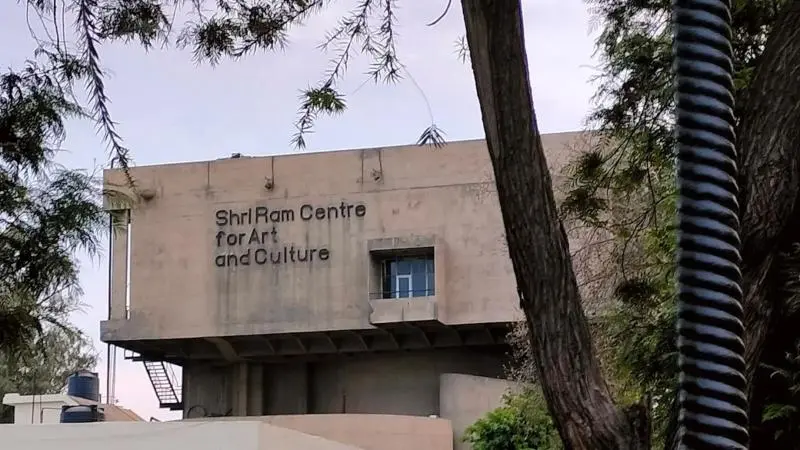
Kathika Cultural Centre
Cultural Center


India Habitat Centre
Auditorium


Artists from Delhi

Mudassir Khan
Sarangi
Mudassir Khan is a Hindustani classical Sarangi artist of the Kairana Gharana. Known for preserving traditional sarangi music while engaging with contemporary collaborations, he performs across classical and cross-cultural platforms.

Anirudh Varma
Piano
Anirudh Varma is an Indian contemporary pianist, composer, and producer known for blending Western and Hindustani classical music through innovative fusion performances.

Saskia Rao-de Haas is a Dutch-born cellist, composer, educator, and innovator renowned for pioneering the Indian cello and bridging Indian and Western classical music traditions.

Latif Ahmed Khan
Tabla
Ustad Latif Ahmed Khan was a respected tabla maestro of the Delhi Gharana, known for rhythmic clarity, refined technique, and dedication to Hindustani classical music.

Pranshu Chatur Lal
Tabla
Pranshu Chatur Lal is an Indian tabla player and percussionist, known for blending classical traditions with contemporary music and leading global collaborations through his ensemble Brahmaand.

Monis Ali is an Indian keyboardist known for his work in fusion and Sufi music, collaborating with ensembles that blend Indian classical traditions with jazz, blues, and contemporary sounds.

Atul Shankar
Bansuri (Flute)
Pandit Atul Shankar is a Hindustani bansuri player of the Banaras Gharana, known for his global performances and recordings that blend classical ragas with devotional and meditative music.

Mohd Saqib Khan
Sitar
Mohd Saqib Khan is a Delhi-based sitarist and vocalist of the Kairana Gharana, known for blending traditional Hindustani classical music with contemporary performance and fusion projects.

Garima Arya
Kathak
Dr. Garima Arya is a Kathak dancer of the Lucknow Gharana, known for performance, teaching, choreography, and founding Kalakulam for structured classical dance training.
Suhail Yusuf Khan
Sarangi
Suhail Yusuf Khan is a young and prominent Indian sarangi player from the Moradabad–Sabri gharana. He is the grandson of Ustad Sabri Khan and trained under him and his father Kamal Sabri.

Harshdeep Kaur (b. 1986) is an Indian playback singer known for Bollywood, Punjabi, and Sufi music. Renowned for her emotive voice, she gained fame in her teens, collaborating with top composers like