
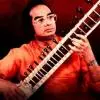
About Missing You / A Musical Discovery Of India
Missing You / A Musical Discovery of India is a posthumous compilation album by Indian musician Ananda Shankar, released on January 1, 2007. The album compiles previously unreleased and rare recordings spanning Shankar’s fusion of Indian classical music with Western psychedelic, funk, and electronic elements. The release format is a CD featuring 14 tracks, though the label information remains undocumented in available sources.
The album opens with Missing You, a track blending sitar melodies with synthesizers and rhythmic grooves. Lonely follows with a moog-driven arrangement, while Dreams Forever incorporates tabla rhythms alongside electric guitar and bass. I Remember and Togetherness continue the fusion approach, the former emphasizing vocal harmonies and the latter featuring a prominent bassline. Baba pays homage to Shankar’s spiritual influences with a meditative sitar composition.
The second half of the album shifts toward instrumental explorations. Almora references the Himalayan region with a raga-inspired structure, and Namaskar employs traditional Indian percussion alongside electronic textures. The Hill Train evokes the rhythm of mountain railways through layered synth patterns, while Kaziranga Beat draws inspiration from Assam’s Kaziranga National Park, combining folk motifs with funk breaks. Additional tracks on the album include Street Music, Dance of Shiva, Mystic Nights, Cosmic Dance, and Journey’s End, though detailed descriptions of these compositions are not widely documented.
Ananda Shankar, a pioneer in Indo-Western fusion, recorded the material at various points in his career, though exact recording dates for individual tracks remain unverified. The album serves as a posthumous anthology, released over three decades after his debut Ananda Shankar and His Music (1970) and more than two decades following his death in 1999. The compilation highlights his experimental approach to bridging cultural musical traditions, though specific production credits or contributing session musicians are not listed in the release metadata.