Discovery of India
About Discovery of India
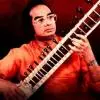
Discovery of India is a composition by Indian musician Ananda Shankar. Released in 1970, the track appears on his self-titled debut album Ananda Shankar, which fused traditional Indian classical music with Western psychedelic rock and funk. The album was produced under the Reprise Records label in the United States and marked Shankar’s early experimentation in cross-genre collaboration.
The track runs for 4 minutes and 9 seconds. Shankar performed on sitar and incorporated Moog synthesizer, electric guitar, and tabla into the arrangement. The composition reflects his training under sitarist Ravi Shankar (his uncle) while integrating contemporary electronic and rock elements popular in the late 1960s. The album’s production involved session musicians from both Indian and Western backgrounds, though specific contributor credits for this track remain partially undocumented.
Ananda Shankar received attention for its innovative blend of Hindustani raga structures with funk rhythms and synthesizer textures. Discovery of India exemplifies this approach, featuring a central sitar melody accompanied by a rhythmic groove and layered electronic effects. The album’s release coincided with the broader global interest in Indian classical music, fueled by artists like Ravi Shankar and The Beatles’ use of Indian instruments.
The original vinyl release included liner notes describing Shankar’s intent to bridge cultural divides through music. Later reissues on CD and digital platforms preserved the track in its original form. While commercial performance data for the album is limited, the record gained a cult following among enthusiasts of psychedelic and world fusion genres. Shankar’s subsequent works, such as Ananda Shankar and His Music (1975), further developed this hybrid style.
No official music video or live performance recordings of Discovery of India from the 1970 era are verified. The track’s legacy endures through its inclusion in compilations of Indian fusion music and its influence on later artists exploring similar cross-cultural sounds.