Dawn at Varanasi
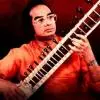
About Dawn at Varanasi
Dawn at Varanasi is a short instrumental composition by Indian musician Ananda Shankar. Released in 1970, the track appears on his self-titled debut album Ananda Shankar, which fused traditional Indian classical music with Western psychedelic rock and electronic elements. The album was produced under the Reprise Records label in the United States and World Pacific Records in other regions.
The piece runs for 1 minute and 48 seconds and exemplifies Shankar’s innovative approach to blending sitar with Moog synthesizer, a hallmark of his early experimental work. The track’s title references the sacred city of Varanasi, evoking the atmospheric soundscape of an Indian dawn through minimalist melodic phrasing and layered electronic textures. While the album’s exact recording dates remain undocumented, its production coincided with Shankar’s collaborations with Western session musicians in Los Angeles, where he relocated in the late 1960s.
Ananda Shankar received limited commercial attention upon release but later gained recognition as a pioneering work in the Indo-Western fusion genre. The album’s tracklist includes other notable compositions such as Saregama and Raghupati, both of which further explore the intersection of raga and psychedelia. No official singles were released from the album, and Dawn at Varanasi remains one of its shorter, more atmospheric interludes.
Shankar, a trained sitarist and grandson of the spiritual leader Sri Aurobindo, expanded on these fusion experiments in later works like Ananda Shankar and His Music (1975). The original 1970 album was reissued in subsequent decades by labels including Dark Horse Records and Real World Records, often paired with posthumous compilations of Shankar’s work. No alternate versions or live recordings of Dawn at Varanasi have been officially documented.