Lonely
About Lonely
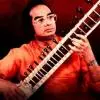
Lonely is a composition by Indian musician Ananda Shankar, released as part of his self-titled debut album in 1970. The track spans 4 minutes and 4 seconds and exemplifies Shankar’s fusion of traditional Indian classical music with Western psychedelic rock and funk. Shankar performed the sitar and incorporated Moog synthesizer, electric guitar, and tabla to create a hybrid sound that distinguished his work from contemporary Indian classical or Western pop productions.
The album Ananda Shankar appeared on the Reprise Records label, a subsidiary of Warner Bros. Records, marking one of the earliest commercial releases to blend raga structures with electronic instrumentation. Lonely features Shankar’s sitar as the lead instrument, accompanied by a rhythmic foundation of tabla and a bassline influenced by funk. The track’s arrangement includes layered synthesizer effects, a departure from the acoustic traditions of Hindustani classical music. Lyrics are absent, with the composition relying on melodic phrasing and instrumental interplay.
Ananda Shankar recorded the album in London and Los Angeles, collaborating with session musicians from both Indian and Western backgrounds. The exact recording dates and full personnel credits remain partially undocumented, though the album’s production reflected the cross-cultural experimentation of the late 1960s and early 1970s. Lonely gained retrospective recognition for its role in shaping the Indo-funk and psychedelic fusion genres, influencing later artists in electronic and world music.
The original vinyl release of Ananda Shankar included Lonely as the opening track on Side B. Subsequent reissues on CD and digital platforms preserved the track’s placement, often highlighting it as a standout example of Shankar’s innovative approach. No official music video or live performance recordings of the song from the 1970 era are verified. The composition’s legacy persists in compilations of Indian psychedelic music and samples by hip-hop and electronic producers in the 2000s.