Indrasabha
About Indrasabha
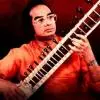
Indrasabha is a composition by Indian musician Ananda Shankar, featured in his fusion album blending classical Indian music with Western psychedelic and funk elements. The track runs for 6 minutes and 13 seconds. Shankar composed the piece by integrating traditional raga structures with electric sitar, synthesizer, and rhythmic patterns influenced by funk and rock.
Shankar released the song as part of his self-titled debut album Ananda Shankar in 1970. The label Reprise Records distributed the album in Western markets, while HMV India handled its release in South Asia. The track exemplifies Shankar’s experimental approach, combining the melodic framework of Hindustani classical music with Moog synthesizer textures and a driving bassline. The title Indrasabha references the celestial court of Indra, a deity in Hindu mythology, though the composition itself does not follow a traditional narrative or lyrical structure.
The album received attention for its cross-genre innovation, particularly in tracks like Indrasabha, where Shankar layered sitar improvisations over a groove-oriented backbeat. The recording session included contributions from session musicians on drums, bass, and additional keyboards, though specific personnel credits remain partially undocumented. The track’s instrumental arrangement prioritizes the interplay between the sitar’s melodic phrases and the synthesizer’s sustained tones, creating a hypnotic effect.
In later decades, Indrasabha gained recognition in electronic and world music circles for its early fusion of Eastern and Western sounds. DJs and producers sampled the track in hip-hop and trip-hop productions, further extending its influence. The original 1970 LP pressing included Indrasabha as the third track on Side A, followed by a reissue on CD in the 1990s by EMI. No official music video or live performance recordings of the song from the era are confirmed to exist.
The broader cultural impact of Indrasabha aligns with Shankar’s role in introducing Indian classical motifs to global audiences through accessible, rhythm-driven formats. The composition’s legacy persists in discussions of 1970s world fusion, though detailed session notes or alternate takes have not been publicly archived.