 Release Group
Recent Releases
View allTracklist (Primary Release)
About I Remember
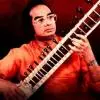
I Remember is a studio album by Indian musician Ananda Shankar, released on January 1, 1983. The album represents a fusion of classical Indian music with Western instrumental arrangements, continuing Shankar’s signature style that blends sitar with synthesizers, funk rhythms and orchestral elements. The primary format of the release remains unspecified in available documentation, though vinyl LP and cassette editions circulated in the Indian and international markets during the period.
The album features eleven tracks, including compositions such as Missing You, Lonely, Dreams Forever, Suryaday and the title track I Remember. Other notable selections comprise Indrasabha, Togetherness, Baba, Almora and Yearning. The tracklist reflects Shankar’s integration of raga-inspired melodies with contemporary production techniques, though detailed recording sessions, contributing session musicians or the production label remain undocumented in public sources.
Shankar composed and arranged the material, building on his earlier works like Ananda Shankar and His Music (1970) and Ananda Shankar (1975). The album’s thematic content explores introspective and romantic motifs, with instrumental textures that combine electronic keyboards, percussion and traditional Indian strings. No commercial chart performance or certification records for I Remember are verified, and the release did not receive contemporaneous critical coverage in major music publications.
Later reissues of I Remember emerged in CD and digital formats, though the original release date and label affiliation remain the only confirmed metadata. The album occupies a transitional phase in Shankar’s discography, preceding his final studio work Walk On (1984) and marking a return to the fusion experiments of his 1970s output. Archival details about the recording locations, engineers or mastering processes are not publicly accessible.