Yearning
About Yearning
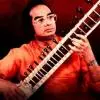
Yearning is a composition by Indian musician Ananda Shankar, released as part of his self-titled debut album in 1970. The track spans a duration of 3 minutes and 33 seconds. Shankar blended traditional Indian classical instruments with Western psychedelic rock and funk elements, creating a fusion style that distinguished his work during the era.
The album Ananda Shankar appeared on the Reprise Records label, a subsidiary of Warner Bros. Records. The record featured Shankar on sitar and vocals, accompanied by session musicians on guitar, bass, drums, and tabla. Yearning exemplifies the album’s experimental approach, incorporating sitar melodies over a rhythmic groove driven by electric bass and percussion. The track’s structure follows a repetitive, hypnotic pattern with improvisational sitar passages layered over a steady backbeat.
Shankar’s collaboration with Western producers and musicians on the album reflected the cross-cultural exchanges of the late 1960s and early 1970s. The release date of the album remains documented as 1970, though specific month or day records are not widely verified. Yearning gained attention for its accessibility, appealing to both Indian classical audiences and listeners of contemporary Western rock. The track’s brevity and rhythmic emphasis contrasted with the longer, more intricate raga-based compositions of Shankar’s later works.
No official singles were released from the album, but Yearning became one of its most recognized tracks. The composition’s influence extended to later generations of artists exploring Indo-Western fusion, though precise sales figures or chart performances for the track remain undocumented. Shankar’s use of the sitar in a pop-rock context predated and paralleled the work of Ravi Shankar, his uncle, in Western collaborative projects.
The original album’s liner notes credited Shankar as the primary composer and arranger. Later reissues of Ananda Shankar included the track on compilation albums dedicated to Indian fusion music. The recording location and production team details for Yearning are not fully archived in public sources, though sessions likely occurred in studios in London or Calcutta, where Shankar frequently worked during the period.