Dance of Shiva
About Dance of Shiva
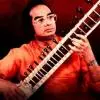
Dance of Shiva is a composition by Indian musician Ananda Shankar, released as part of his self-titled debut album in 1970. The track runs for 5 minutes and 57 seconds. Shankar blended traditional Indian classical instruments with Western psychedelic rock and funk, creating a fusion style that distinguished his early work. The album appeared on the Reprise Records label in the United States and EMI in India.
The piece incorporates sitar, tabla, and moog synthesizer, reflecting Shankar’s training under his uncle, sitarist Ravi Shankar, and his exposure to Western popular music during his time in Los Angeles. The track’s title references Nataraja, the Hindu depiction of Shiva as the cosmic dancer, a theme Shankar explored through rhythmic experimentation and improvisational structures. The recording session featured session musicians from both Indian and Western backgrounds, though specific personnel credits remain partially undocumented.
Dance of Shiva exemplifies the cross-cultural synthesis characteristic of Shankar’s 1970s output. The track opens with a sitar riff accompanied by a driving bassline and syncopated percussion, transitioning into extended instrumental passages that layer electronic effects over classical Indian ragas. The composition avoids vocal elements, focusing on instrumental interplay. Later pressings of the album included the track as a standout example of the era’s Indo-rock fusion movement.
The original vinyl release positioned Dance of Shiva as the third track on Side A. Subsequent reissues, including the 1996 CD compilation Ananda Shankar and His Music, preserved the recording in its original form. The track gained retrospective attention in the 2000s through samplings in hip-hop and electronic music, though Shankar did not participate in these later adaptations. Archival sources confirm the 1970 recording date but do not specify the exact studio location.