 Release Group
Recent Releases
View allTracklist (Primary Release)
About Sá-re-gá Machàn
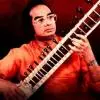
Sá-re-gá Machàn is a studio album by Indian musician and composer Ananda Shankar. Released on January 1, 1981, the album represents a fusion of traditional Indian classical music with Western instrumental arrangements, electronic elements and orchestral textures. Shankar composed, arranged and produced the work, continuing his exploration of cross-cultural musical synthesis that defined his earlier recordings.
The album comprises ten instrumental tracks that evoke natural and animal-themed imagery through melodic and rhythmic motifs. The title track Sá-re-gá Machàn introduces the record with a blend of sitar, synthesizer and percussive layers. Subsequent compositions such as Romantic Rhino, Charging Tiger and Night in the Forest employ varied tempos and instrumental combinations, including brass sections, string ensembles and electronic effects. Jungle King and Dancing Peacocks incorporate rhythmic patterns inspired by Indian folk traditions, while Monkey’s Tea Party and Playful Squirrels feature lighter, syncopated arrangements. The closing track Jungle Symphony integrates orchestral and electronic elements into a cohesive finale.
Shankar performed primary instruments including sitar, synthesizer and keyboards. Session musicians contributed strings, brass, percussion and additional electronic textures, though specific personnel credits remain undocumented in available sources. The release format included vinyl LP and audio cassette, with distribution handled by an unspecified label—likely aligned with Shankar’s prior associations with Indian and international record companies. No commercial chart performance or certification data for the album is publicly verified.
The artistic direction of Sá-re-gá Machàn aligns with Shankar’s broader discography, which frequently merged Hindustani classical raga structures with contemporary Western genres. The album’s thematic focus on nature and wildlife reflects a recurring motif in his late-career works, though detailed conceptual background or recording context is not extensively archived. Later reissues and digital remasters have preserved the album within Shankar’s catalog, maintaining its availability for subsequent audiences.