Charging Tiger
About Charging Tiger
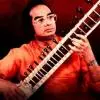
Charging Tiger is a composition by Indian musician Ananda Shankar, released as part of his self-titled debut album in 1970. The track spans 4 minutes and 10 seconds and exemplifies Shankar’s fusion of traditional Indian classical music with Western psychedelic rock and funk elements. The album marked a departure from conventional classical presentations by incorporating electric sitar, Moog synthesizer, and rhythmic patterns drawn from both Hindustani music and contemporary Western genres.
Ananda Shankar composed and arranged the piece, blending raga-inspired melodies with distorted guitar riffs and a driving percussion section. The track features his signature use of the sitar as a lead instrument, accompanied by a bassline and drum breaks that reflect the experimental production techniques of the era. The recording took place in London, where Shankar collaborated with session musicians to realize his hybrid sound. The album Ananda Shankar appeared on the Reprise Records label in the United States and CBS in India, though specific recording studio details remain undocumented in widely available sources.
Charging Tiger stands out for its energetic tempo and the interplay between the sitar’s rapid taans (melodic runs) and the song’s funk-infused groove. The composition avoids traditional alap (slow introductory section) in favor of an immediate rhythmic and harmonic immersion. Shankar’s use of electronic effects on the sitar, including wah-wah pedals and phase shifters, created a distinct texture that differentiated the track from both classical Indian music and mainstream Western rock of the period.
The album received attention for its innovative approach, though commercial success varied by region. In later decades, Charging Tiger gained recognition among collectors and DJs for its breakbeat segments, which were sampled in hip-hop and electronic music productions. The track’s legacy endures as an early example of cross-cultural musical synthesis, influencing subsequent generations of artists exploring global fusion styles. No official music video or live performance recordings of the song from the 1970 era have been verified in public archives.