Birds in the Sky
About Birds in the Sky
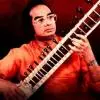
Birds in the Sky is a composition by Indian musician Ananda Shankar, released as part of his fusion work blending classical Indian music with Western psychedelic and funk elements. The track appears on his self-titled debut album, issued in 1970 under the label Reprise Records in the United States and EMI in India. The album marked Shankar’s early exploration of sitar-driven experimental music, incorporating Moog synthesizers, tabla, and electric guitars.
The track runs for 4 minutes and 30 seconds and exemplifies Shankar’s signature style of merging raga-based improvisation with contemporary production techniques. While specific recording dates remain undocumented, the album emerged during a period when Shankar collaborated with Western session musicians, including members of the British progressive rock scene. The composition features layered sitar melodies over a rhythmic foundation of percussion and bass, with synthesizers adding atmospheric textures.
Critics and historians often cite Birds in the Sky as a representative example of Shankar’s innovative approach to cross-cultural music. The album’s original vinyl release included liner notes highlighting his training under sitarist Ravi Shankar (his uncle) and his subsequent experiments in Los Angeles and London. Later reissues on CD and digital platforms preserved the track as part of the album’s standard tracklist, though some compilations omit or abridge it.
The broader Ananda Shankar album received renewed attention in the 1990s and 2000s through sampling in hip-hop and electronic music, particularly after producers like DJ Shadow and Cut Chemist referenced its grooves. The track’s title does not correspond to a traditional raga or classical form but reflects Shankar’s thematic focus on nature and transcendence. No official music video or live performance recordings of the song are verified in public archives.
Limited documentation exists on the session musicians involved in the recording. Shankar’s later interviews confirm his role as the primary composer and sitarist, with contributions from unnamed studio collaborators. The album’s production credits list George Harrison as an influence, though his direct involvement in this track remains unconfirmed. The original master tapes’ whereabouts are unknown, with modern remasters sourced from vinyl transfers.