Sá-re-gá Machàn
About Sá-re-gá Machàn
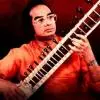
Sá-re-gá Machàn is a composition by Indian musician Ananda Shankar, released as part of his self-titled debut album in 1970. The track spans 10 minutes and 8 seconds and exemplifies Shankar’s fusion of traditional Indian classical music with Western psychedelic rock and funk elements. The album was produced under the Reprise Records label in the United States, marking one of the earliest cross-genre experiments by an Indian artist in the global music scene.
Shankar composed the piece by blending the sitar with electric guitar, bass, and drum kit arrangements. The track opens with an alap-like sitar introduction before transitioning into a rhythmic groove driven by a funk-inspired bassline and percussion. The title Sá-re-gá Machàn references the solfège syllables of Indian classical music (sa-re-ga), while machàn (Hindi for \"stage\" or \"platform\") suggests a performative or improvisational context. The composition retains raga-based melodic phrasing but incorporates amplified instrumentation and syncopated rhythms characteristic of 1970s Western popular music.
The album Ananda Shankar received limited commercial attention upon release but gained retrospective acclaim for its innovative fusion approach. Sá-re-gá Machàn became one of the most recognized tracks from the record, later sampled or covered by artists across electronic, hip-hop, and world music genres. The original recording features Shankar on sitar and vocals, accompanied by session musicians whose identities remain undocumented in primary sources. No official music video or live performance footage of the track from the 1970 era is known to exist.
In subsequent decades, the track appeared on compilation albums dedicated to Indian psychedelic and fusion music. The 1970 LP was reissued in CD and digital formats by labels such as Finders Keepers Records and Now-Again Records, introducing Shankar’s work to newer audiences. The composition’s structure—balancing improvisation with arranged sections—reflects Shankar’s training under his uncle, sitarist Ravi Shankar, and his exposure to Western rock during his tenure in Los Angeles. Further details about the recording sessions, including studio location and production personnel, are not widely verified in archival sources.