Jungle Symphony
About Jungle Symphony
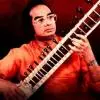
Jungle Symphony is a composition by Indian musician Ananda Shankar, released as part of his self-titled debut album in 1970. The track exemplifies Shankar’s fusion of traditional Indian classical music with Western psychedelic rock and funk, a style he pioneered in the late 1960s and early 1970s. The piece runs for 3 minutes and 34 seconds.
The album Ananda Shankar appeared on the Reprise Records label, a subsidiary of Warner Bros. Records, and marked Shankar’s first major international release. Jungle Symphony stands out for its use of the sitar alongside electric guitars, synthesizers, and a rhythmic section influenced by funk and jazz. The track’s arrangement incorporates raga-inspired melodies with a driving, syncopated groove, reflecting Shankar’s training under his uncle, sitarist Ravi Shankar, and his exposure to Western popular music during his time in Los Angeles.
The composition opens with a sitar riff that establishes the central melodic theme, followed by layered electric instrumentation and percussion. The track’s structure blends improvisational passages with tightly arranged sections, a hallmark of Shankar’s approach to cross-genre experimentation. While the album did not achieve immediate commercial success, Jungle Symphony and other tracks from the record gained cult status in subsequent decades, particularly among fans of psychedelic music and world fusion.
Ananda Shankar later reworked elements of his fusion style in subsequent albums, including A Musical Discovery of India (1978) and collaborations with artists like State of Bengal in the 1990s. The original 1970 release of Ananda Shankar has been reissued multiple times, with Jungle Symphony frequently cited as a standout track in retrospectives on Indian fusion music. The album’s liner notes credit Shankar as the primary composer and arranger, though specific session musicians for the recording remain undocumented in widely available sources.
The broader impact of Jungle Symphony lies in its role as an early example of East-West musical synthesis, predating the wider popularity of world fusion in the 1980s and 1990s. Shankar’s work on the track and the album influenced later artists in genres ranging from electronic music to hip-hop, with samples and covers appearing in various contexts. The original vinyl release featured artwork that reflected the era’s psychedelic aesthetic, though no official music video or live performance recordings of the track from the 1970 period are known to exist.