Monkey’s Tea Party
About Monkey’s Tea Party
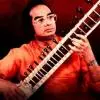
Monkey’s Tea Party is a composition by Indian musician and composer Ananda Shankar. Released in 1970, the track appears on his self-titled debut album Ananda Shankar, which fused traditional Indian classical music with Western psychedelic rock and funk. The album was produced under the Reprise Records label in the United States and marked Shankar’s early experimentation with cross-genre collaboration.
The track runs for 3 minutes and 7 seconds and exemplifies Shankar’s signature style of blending sitar melodies with electric guitar, bass, and drum rhythms. The composition features Shankar on sitar alongside session musicians, though specific contributor details for this track remain partially undocumented. The album’s production incorporated studio techniques common in late 1960s psychedelic music, including phased effects and layered instrumentation.
Ananda Shankar (1970) gained attention for its innovative approach to global fusion, predating wider trends in world music by over a decade. While commercial reception at the time was modest, the album later attained cult status among collectors of Indian classical-rock hybrids. Monkey’s Tea Party stands as one of the record’s more rhythmic and accessible tracks, contrasting with its longer, raga-inspired counterparts like Saregama and Raghupati.
The original vinyl release included liner notes by Shankar describing his intent to bridge Eastern and Western musical traditions. No official singles were extracted from the album, but Monkey’s Tea Party received airplay on underground radio stations in the US and UK. Reissues of the album in the 1990s and 2000s by labels such as EMI and Drag City reintroduced the work to newer audiences, often citing its influence on electronic and hip-hop producers sampling South Asian sounds.
Beyond its musical structure, the track’s title reflects Shankar’s playful engagement with cross-cultural themes, though no definitive explanation for the phrase Monkey’s Tea Party exists in available sources. The album’s artwork, designed by an uncredited artist, further emphasized its psychedelic aesthetic with vibrant colors and abstract motifs tied to Indian iconography.