Recent Releases
View allTracklist (Primary Release)
About Arpan
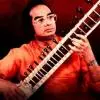
Arpan is a studio album by Indian composer and musician Ananda Shankar, released on January 1, 2000. The album represents a fusion of traditional Indian classical music with Western instrumental arrangements, continuing Shankar’s signature style of blending sitar-driven compositions with electronic and orchestral elements. The primary format of the release is a compact disc, though distribution details and the recording label remain unverified in available sources.
The album comprises twelve tracks, featuring a mix of instrumental and vocal pieces. Notable compositions include the title track Arpan (Instrumental), which opens the album with a meditative sitar melody accompanied by synthesizers, and Anjali, a devotional piece incorporating classical Indian vocal techniques. Night Sky and Storm explore atmospheric textures, while Celebration adopts a rhythmic, upbeat structure with percussion and electronic layers. The instrumental track Dreams For Ever highlights Shankar’s use of sustained sitar phrases over ambient soundscapes, and Suryauday (Instrumental) draws inspiration from raga-based improvisations.
Vocal tracks such as Vandevi and Radha integrate traditional Indian lyrics with contemporary production, featuring unidentified guest vocalists. The closing track, Surya Pranam, combines devotional themes with orchestral arrangements, reflecting Shankar’s interest in spiritual and cosmic motifs. The album’s production credits and session musicians are not fully documented, though Shankar’s role as the primary composer and sitarist is confirmed.
Arpan follows Shankar’s earlier works like Ananda Shankar and His Music (1970) and Walking On (1975), maintaining his approach to cross-cultural fusion. The release date places it among his later recordings, though specific details about its reception, chart performance, or commercial distribution are not widely recorded. The album remains a lesser-discussed entry in Shankar’s discography compared to his 1970s output but exemplifies his enduring experimentation with Indian classical and global musical forms.