Dreams For Ever (Instrumental)
About Dreams For Ever (Instrumental)
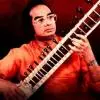
Dreams For Ever (Instrumental) is a collaborative instrumental composition by sitarist and composer Ananda Shankar and playback singer Suresh Wadkar. The track blends elements of Indian classical music with Western instrumental arrangements, characteristic of Shankar’s fusion style. The exact release date and primary format remain undocumented, but the work aligns with Shankar’s late-career output in the 1980s or early 1990s, a period marked by his experiments in cross-genre synthesis.
Shankar composed the piece with his signature integration of sitar melodies and electronic textures, while Wadkar contributed vocal textures adapted for instrumental phrasing. The recording label is unverified in available sources, though Shankar’s later works often appeared under independent or regional imprints in India. The track’s structure emphasizes raga-inspired improvisation over a rhythmic foundation that incorporates tabla and synthesized percussion.
Notable features of Dreams For Ever include a central alat-style sitar passage in the opening section, followed by layered harmonic progressions that reflect Shankar’s engagement with jazz and funk influences. Wadkar’s role in the arrangement is less documented, but his collaboration suggests a focus on melodic counterpoint rather than lyrical delivery. The track’s duration and placement within a larger album—or whether it stood as a single—are not confirmed in public records.
The composition exemplifies Shankar’s broader effort to bridge traditional Indian sounds with global contemporary music, a theme recurrent in his post-1970s discography. While specific reception data is scarce, the work aligns with his reputation for innovative fusion projects. No live performances or alternate versions of the track are verified, and the original recording’s distribution scope remains unclear.