Arpan (Instrumental)
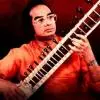
About Arpan (Instrumental)
Arpan (Instrumental) is a collaborative studio album by Indian composer and sitarist Ananda Shankar and playback singer Suresh Wadkar. The record blends traditional Indian classical instrumentation with contemporary arrangements, reflecting Shankar’s signature fusion of raga and Western musical elements. The exact release date remains undocumented, but the album emerged in the late 1980s or early 1990s under an unspecified label. No comprehensive tracklist or production credits are publicly verified, though the title track Arpan serves as the central composition.
Ananda Shankar composed the album’s instrumental framework, incorporating sitar, synthesizer, and rhythmic patterns derived from Hindustani classical music. Suresh Wadkar contributed vocal textures in select segments, marking a departure from his primary work in Hindi film playback singing. The collaboration followed Shankar’s earlier experimental projects, including Ananda Shankar and His Music (1970) and A Musical Discovery of India (1975), though Arpan adopted a more subdued, meditative approach compared to his prior psychedelic and funk-infused works.
The album’s format and distribution details are unclear. Some sources suggest a limited vinyl or cassette release in India, while others indicate later reissues in digital formats without official confirmation. The artwork, where visible, features abstract designs aligned with Shankar’s aesthetic from the period, though no original cover artist is credited. Critical reception and commercial performance remain undocumented, as the album received minimal promotion compared to Shankar’s earlier international releases.
Notable for its sparse orchestration, Arpan emphasizes improvisational sitar passages over layered electronic backdrops. The title track extends beyond ten minutes in some versions, showcasing Shankar’s ability to merge alpine raga scales with ambient soundscapes. Wadkar’s vocal contributions appear intermittently, primarily in wordless harmonies or brief melodic phrases. The album’s legacy is tied to Shankar’s broader influence on Indo-Western fusion, though its obscurity limits detailed historical analysis.
No live performances or associated tours for Arpan are recorded. The album’s master tapes and original session details are presumed lost or held in private collections. Later compilations of Shankar’s work occasionally include excerpts from Arpan, but no authorized re-release has surfaced as of 2024. The collaboration remains a minor entry in both artists’ discographies, overshadowed by Shankar’s 1970s output and Wadkar’s prolific film career.