Withdrawal Symptoms
About Withdrawal Symptoms
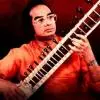
Withdrawal Symptoms is a composition by Indian musician Ananda Shankar, released as part of his self-titled debut album Ananda Shankar in 1970. The track spans 6 minutes and 18 seconds and exemplifies Shankar’s fusion of traditional Indian classical music with Western psychedelic rock and funk elements. The album appeared under the Reprise Records label in the United States and World Pacific Records in other regions, marking one of the earliest cross-genre experiments by an Indian artist in the global music scene.
Shankar composed and arranged the piece, blending the sitar with electric guitar, bass, drums and synthesizers. The track features his signature sitar riffs alongside a rhythmic structure influenced by funk and rock. The album’s production involved collaboration with American session musicians, though specific personnel credits for Withdrawal Symptoms remain partially undocumented. The composition’s title reflects the era’s countercultural themes, aligning with the album’s broader exploration of Eastern spirituality and Western musical innovation.
The debut album received attention for its novel sound but achieved limited commercial success during its initial release. Later decades saw a resurgence of interest in Shankar’s work, particularly among collectors of rare groove, psychedelic and world fusion recordings. Withdrawal Symptoms became a standout track for its hypnotic sitar melodies and driving rhythm section, often cited in retrospectives on 1970s Indo-Western fusion. The original vinyl pressing included the composition as the third track on Side A, followed by other instrumental pieces like Saregama and Raghupati.
No official music video or live performance recordings of Withdrawal Symptoms from the 1970 release period are verified. Shankar’s later works, including the 1975 album Ananda Shankar and His Music, expanded on similar fusion concepts but with a more polished production approach. The 1970 album’s master tapes and alternate takes, if any, remain archived with unclear public accessibility. Reissues on CD and digital platforms in the 2000s reintroduced the track to newer audiences, often paired with liner notes highlighting its historical role in global fusion music.