Temptations
About Temptations
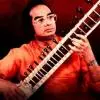
Temptations is a composition by Indian musician Ananda Shankar, released as part of his self-titled debut album in 1970. The track blends traditional Indian classical instrumentation with Western psychedelic rock and funk, exemplifying Shankar’s fusion of sitar-driven raga structures and contemporary electric arrangements. The album appeared on the Reprise Records label in the United States and EMI in India, marking one of the earliest cross-genre experiments in global popular music.
The recording features Shankar on sitar and electric sitar, accompanied by a band that included Western session musicians on drums, bass, and guitar. The track’s duration is 4 minutes and 37 seconds. Temptations employs a repetitive, groove-oriented rhythm section underlaid by Shankar’s improvisational sitar melodies, reflecting influences from both Hindustani classical music and 1960s psychedelia. The composition’s harmonic progression and rhythmic syncopation distinguish it from conventional raga performances of the era.
While the parent album Ananda Shankar received limited commercial attention upon release, Temptations gained retrospective recognition for its role in shaping Indo-Western fusion. The track was later sampled and covered by electronic and hip-hop artists, contributing to its enduring presence in global music culture. Specific recording dates and personnel beyond Shankar remain partially undocumented in primary sources. No official music video or single release for Temptations is verified in archival records.
The album’s original vinyl pressings included Temptations as the opening track on Side A, followed by other fusion compositions such as Saregama and Raghupati. Reissues on CD and digital platforms in the 1990s and 2000s reintroduced the work to new audiences, often under compilations of Indian psychedelic or rare groove music. Shankar’s arrangement on this track avoids traditional alaap (improvisational prelude) in favor of a direct rhythmic and melodic entry, aligning with Western pop song structures of the time.