The Happy Bunch
About The Happy Bunch
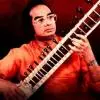
The Happy Bunch is a musical composition by Indian composer and sitarist Ananda Shankar. Released as part of his self-titled debut album Ananda Shankar in 1970, the track exemplifies his fusion of traditional Indian classical music with Western psychedelic rock and funk elements. The piece runs for 2 minutes and 1 second.
The album Ananda Shankar marked a departure from conventional classical presentations by incorporating electric instruments, synthesizers, and rhythmic patterns drawn from both Indian and Western traditions. The label Reprise Records distributed the release in the United States, while World Pacific Records handled its initial pressing. Shankar performed the sitar and arranged the composition, blending raga-inspired melodies with a groove-oriented backbeat.
The Happy Bunch features a prominent sitar riff layered over a funk-infused bassline and percussion. The track’s structure includes call-and-response motifs between the sitar and brass sections, a hallmark of Shankar’s experimental approach. The album’s production credited George Harrison of The Beatles as an influence, though Harrison did not directly contribute to the recording. Shankar’s collaboration with session musicians from Los Angeles added to the track’s cross-cultural texture.
Critical reception of the album highlighted its novelty in merging disparate musical forms, with The Happy Bunch often cited for its accessible yet innovative arrangement. The track’s brevity and rhythmic drive distinguished it from longer, improvisational pieces on the album. Subsequent reissues by labels such as Light in the Attic in the 2000s reintroduced the work to audiences interested in global fusion music.
Limited documentation exists regarding the specific recording dates or session musicians involved in The Happy Bunch. The track’s legacy endures through its inclusion in compilations of 1970s Indian psychedelic music and its sampling in later electronic and hip-hop productions. Shankar’s work on the album predated broader Western engagement with Indian classical fusion by several years.