Affection
About Affection
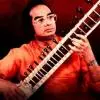
Affection is a composition by Indian musician Ananda Shankar, released as part of his self-titled debut album in 1970. The track spans 2 minutes and 44 seconds and exemplifies Shankar’s fusion of traditional Indian classical music with Western psychedelic rock and funk elements. The album marked a departure from conventional Indian classical presentations by incorporating electric sitar, Moog synthesizer, and rhythmic patterns drawn from both Hindustani music and contemporary Western genres.
Ananda Shankar produced the album under the label Reprise Records, a subsidiary of Warner Bros. Records. The recording sessions occurred in London, where Shankar collaborated with session musicians to blend Indian raga structures with rock instrumentation. Affection features prominent use of the sitar alongside drum kits, bass guitar, and synthesizer layers, creating a hybrid sound that appealed to international audiences during the late 1960s and early 1970s counterculture movement.
The track’s composition reflects Shankar’s training under his uncle, the sitar virtuoso Ravi Shankar, while integrating his experiments with electronic music. The album’s liner notes credit Shankar as the primary composer and arranger, though specific contributions by individual session musicians remain undocumented in widely available sources. Affection stands as one of the shorter pieces on the album, characterized by its melodic simplicity and rhythmic groove.
Critics and historians later recognized the 1970 album as a foundational work in the Indo-jazz fusion and raga rock genres. While commercial success at the time was modest, the record gained a cult following in subsequent decades, particularly among collectors of psychedelic and world music. Reissues by labels such as Light in the Attic in the 2010s introduced the album to newer audiences, though detailed sessionography or alternate takes of Affection have not been officially released.
The broader cultural impact of Shankar’s work, including Affection, lies in its role as an early example of cross-genre pollination between Eastern and Western musical traditions. The track’s legacy persists in samples and covers by contemporary artists, though comprehensive documentation of its reception or chart performance in 1970 is limited.