Teddy Bear
About Teddy Bear
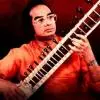
Teddy Bear is a composition by Indian musician Ananda Shankar, released as part of his self-titled debut album in 1970. The track spans 2 minutes and 41 seconds and exemplifies Shankar’s fusion of traditional Indian classical instruments with Western psychedelic rock and funk elements. Shankar performed the sitar as the lead instrument, accompanied by electric guitar, bass, drums and synthesizers, creating a hybrid sound that distinguished his work in the global psychedelic music scene of the era.
The album Ananda Shankar appeared on the Reprise Records label, a subsidiary of Warner Bros. Records, and marked one of the earliest commercial releases to blend raga-based improvisation with contemporary Western production techniques. Teddy Bear stands out for its playful, groove-oriented arrangement, featuring a repetitive sitar riff layered over a syncopated rhythm section. The track’s title and melodic structure reflect Shankar’s intent to bridge cultural divides through accessible, danceable compositions while retaining classical Indian phrasing.
Limited documentation exists regarding the recording sessions or contributing session musicians for Teddy Bear. Shankar’s collaboration with Western producers and engineers during this period contributed to the album’s distinct sonic texture, though specific credits remain unverified in available sources. The track gained retrospective recognition in the 2000s after appearances in film soundtracks and sample-based hip-hop productions, further cementing its influence on cross-genre experimentation.
No official singles or alternate versions of Teddy Bear were released at the time. The original 1970 LP pressing included the track as the third selection on Side A, followed by other fusion-oriented pieces such as Saregama and Raghupati. Later reissues on CD and digital platforms preserved the track in its original form, often paired with Shankar’s subsequent works like Ananda Shankar and His Music (1975). The composition remains a reference point for discussions on Indo-Western musical synthesis in the late 20th century.