Mishtu
About Mishtu
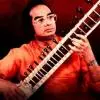
Mishtu is a composition by Indian musician Ananda Shankar, released as part of his self-titled debut album in 1970. The track exemplifies Shankar’s fusion of traditional Indian classical music with Western psychedelic rock and funk, a style he pioneered in the late 1960s and early 1970s. The album was produced under the label Reprise Records in the United States, marking one of the earliest cross-cultural collaborations in global popular music.
The track runs for 2 minutes and 18 seconds and features Shankar on sitar alongside electric guitar, bass, drums, and tabla. The instrumentation blends raga-inspired melodies with distorted guitar riffs and syncopated rhythms, reflecting Shankar’s training under his uncle, sitar maestro Ravi Shankar, and his exposure to Western rock during his time in Los Angeles. The composition’s title, Mishtu (Bengali for \"sweet\"), aligns with the track’s playful, upbeat character, though specific lyrical content or vocal contributions remain undocumented in available sources.
The parent album, Ananda Shankar, received limited commercial attention upon release but later gained recognition as a foundational work in the Indo-rock fusion genre. The record’s production involved session musicians from the Los Angeles studio scene, though exact personnel credits for Mishtu are not fully verified. The track’s structure follows a concise, groove-driven arrangement, prioritizing rhythmic interplay between the sitar and electric instruments.
In subsequent decades, Mishtu and the broader album influenced artists in electronic, hip-hop, and world fusion genres. Samples from Shankar’s work appeared in tracks by producers such as DJ Shadow and Cut Chemist, while the original recordings were reissued by labels like Finders Keepers Records in the 2000s. The 1970 album’s vinyl pressings are now considered collector’s items, with Mishtu often highlighted for its concise yet innovative fusion of Eastern and Western musical elements.
No official music video or live performance recordings of Mishtu are confirmed to exist. The track’s legacy endures primarily through its inclusion on compilation albums and its impact on later generations of fusion musicians. Additional context regarding the composition’s creation process or Shankar’s specific intentions for the piece remains sparse in archival materials.