Streets of Calcutta
About Streets of Calcutta
Streets of Calcutta is a composition by Indian musician Ananda Shankar, released as part of his self-titled debut album in 1970. The track blends traditional Indian classical instruments with Western psychedelic rock and funk, exemplifying Shankar’s fusion of Hindustani music and contemporary global sounds. The piece runs for 4 minutes and 42 seconds.
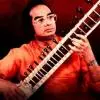
Ananda Shankar recorded the album in London under the label Repulse in the United Kingdom and World Pacific in the United States. The track features Shankar on sitar and vocals, accompanied by Western drum kits, electric guitars, and synthesizers. The arrangement incorporates raga-inspired melodies with rhythmic patterns derived from funk and rock, creating a cross-cultural musical dialogue.
The album Ananda Shankar gained recognition for its innovative approach to fusion music during the late 1960s and early 1970s. Streets of Calcutta stands out as one of its most celebrated tracks, often noted for its energetic sitar riffs and groove-oriented structure. The composition reflects Shankar’s training under his uncle, sitar maestro Ravi Shankar, while embracing experimental production techniques of the era.
No official singles were released from the album, but Streets of Calcutta received airplay in underground music circles and later found renewed interest through compilations and samples in electronic and hip-hop music. The track’s influence extended beyond India, contributing to the global popularity of Indo-fusion genres in subsequent decades. Specific session musicians or detailed recording dates remain undocumented in widely available sources.
The album’s original vinyl release included liner notes by Shankar, describing his intent to bridge Eastern and Western musical traditions. Later reissues by labels such as Finders Keepers Records and Drag City introduced the work to newer audiences, often highlighting Streets of Calcutta as a key representation of Shankar’s artistic vision.