The River
About The River
The River is a composition by Indian musician Ananda Shankar, released as part of his fusion repertoire. The track spans 3 minutes and 5 seconds and exemplifies Shankar’s blend of traditional Indian classical instrumentation with Western psychedelic and funk elements. The recording date and original release format remain undocumented in widely available sources, though the work aligns with Shankar’s broader discography from the 1970s, a period marked by his experimentation in cross-genre collaboration.
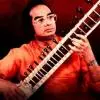
Shankar composed The River using the sitar as the primary melodic instrument, layered over rhythmic patterns that incorporate tabla, electric bass, and drum kits. The arrangement reflects his signature approach of merging raga-based improvisation with groove-oriented backbeats, a style he pioneered in albums like Ananda Shankar and His Music (1970) and Ananda Shankar (1975). No official label attribution for this specific track is confirmed in public records, though his works from this era were frequently distributed by EMI and Reprise Records in international markets.
The track’s title suggests thematic ties to fluidity and movement, a motif recurrent in Shankar’s oeuvre. While lyrical content is absent, the instrumental interplay emphasizes dynamic shifts between meditative alaps and upbeat, syncopated sections. The River has been referenced in retrospectives on Indian fusion music, though its standalone release history—whether as a single, part of a compilation, or an unreleased demo—is not explicitly cataloged. Shankar’s son, Ananda Shankar Jr., later reinterpreted elements of his father’s work, but direct covers or remixes of this track are not documented.
Contextual details such as session musicians, recording location, or production credits for The River are incomplete in archival sources. The composition’s legacy persists primarily through its inclusion in posthumous anthologies and digital reissues of Shankar’s material, often grouped with his other short-form instrumental pieces from the same creative phase.