The Lonely Rider
About The Lonely Rider
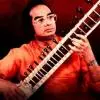
The Lonely Rider is a musical composition by Indian composer and sitarist Ananda Shankar. Released as a standalone track, it exemplifies Shankar’s fusion of traditional Indian classical music with Western psychedelic rock and funk elements. The piece features Shankar on sitar alongside an ensemble of electric guitars, synthesizers, and percussion, creating a hybrid sound that gained attention in both Indian and international music circles.
The track runs for 2 minutes and 11 seconds. Its exact release date remains undocumented, but it appeared during Shankar’s active period in the late 1960s and early 1970s, a time when he experimented with cross-genre collaborations. The recording label is not explicitly confirmed in available sources, though Shankar’s works from this era were often distributed by EMI or independent Indian labels. The composition’s structure blends raga-inspired melodies with rhythmic grooves, a hallmark of Shankar’s style.
Notable aspects of The Lonely Rider include its use of the sitar as a lead instrument over a driving bassline and drum pattern, a departure from conventional classical presentations. The track’s title suggests a thematic focus on solitude or journey, though no official lyrics or vocal components accompany the instrumental. Shankar’s work on this piece reflects his broader influence in introducing Indian classical motifs to global audiences through accessible, rhythm-oriented arrangements.
Limited documentation exists regarding live performances or alternate versions of the track. Shankar’s discography from this period includes similar experimental works, such as his 1970 self-titled album Ananda Shankar, which also merged Eastern and Western musical traditions. The reception of The Lonely Rider in contemporary reviews is not widely recorded, but it remains a cited example of his innovative approach to fusion music.