Song of Spring
About Song of Spring
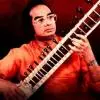
Song of Spring is a composition by Indian musician Ananda Shankar, released as part of his fusion repertoire. The track spans 3 minutes and 18 seconds and exemplifies Shankar’s blend of classical Indian instrumentation with Western psychedelic and funk elements. The recording date and original release format remain undocumented in available sources, though the piece aligns stylistically with Shankar’s 1970s output, particularly his collaborations that merged sitar with Moog synthesizers and electric guitars.
Shankar composed and performed the track, likely featuring his signature sitar alongside electronic arrangements. The song’s structure incorporates raga-inspired melodies over rhythmic grooves, a hallmark of his experimental approach. No official label attribution or album association is confirmed for this specific recording, though similar works by Shankar appeared on releases such as Ananda Shankar and His Music (1970) and Ananda Shankar (1975) under labels like Reprise Records and EMI. The track title suggests thematic ties to seasonal motifs, a recurring subject in his compositions.
Notable aspects of Song of Spring include its concise duration and the interplay between traditional Indian scales and modern production techniques. Shankar’s use of the sitar as a lead instrument over layered synthesizers created a distinctive sound that influenced later Indo-Western fusion projects. The track’s reception history is not well-documented, but Shankar’s broader work gained recognition for pioneering cross-genre experimentation in global music scenes. Archival details such as session musicians, recording location, or alternate versions are not publicly verified.
The composition reflects Shankar’s role in introducing Indian classical music to international audiences through accessible, groove-oriented formats. While Song of Spring lacks extensive commercial or critical documentation, it contributes to the legacy of his innovative discography. Further contextual information may exist in private collections or unreleased session notes from Shankar’s estate.