Raga: Malkauns: Thumri - Kab Aaoge Tum Aaoge
About Raga: Malkauns: Thumri - Kab Aaoge Tum Aaoge
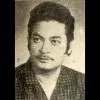
Amanat Ali Khan performed Raga Malkauns: Thumri – Kab Aaoge Tum Aaoge in a semi-classical thumri style rooted in the Hindustani tradition. The recording spans 5 minutes and 24 seconds. Khan rendered the composition in raga Malkauns, a pentatonic raga associated with late-night or monsoon-season performances. The thumri employs lyrical themes of longing and anticipation, characteristic of the genre’s romantic and devotional expressions.
The track features Khan’s vocal technique, marked by intricate taan patterns and delicate phrasing. Accompaniment details remain undocumented in available sources, but thumri performances of this era typically included harmonium, tabla, and tanpura. The release date and label for this specific recording are unverified. Context suggests it originated during Khan’s active period in the mid-to-late 20th century, aligning with his broader contributions to the Patiala gharana.
Notable aspects of the track include the use of bol-banao (lyrical improvisation) and the raga’s ascending-descending structure (arohana-avrohana): Sa Ga Ma Dha Ni (ascent) and Ni Dha Ma Ga Sa (descent). The composition’s textual content revolves around the refrain Kab aaoge tum aaoge (‘When will you come, will you come?’), a motif common in thumri repertoire. No commercial album or compilation explicitly lists this recording, indicating possible origins in live performances or private archives.
Amanat Ali Khan (1922–1974) belonged to the Patiala gharana and collaborated with his brother Fateh Ali Khan as part of the duo Amanat-Fateh. His interpretations of thumri and dadra bridged classical rigor with folk influences. This recording exemplifies his ability to convey emotional depth through sparse melodic development, a hallmark of the Malkauns raga’s introspective quality.