Raga: Malkauns: Ghazal - Kaise Guzar Gai Hai Jawani
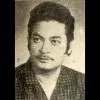
About Raga: Malkauns: Ghazal - Kaise Guzar Gai Hai Jawani
Amanat Ali Khan performed Kaise Guzar Gai Hai Jawani as a ghazal set in Raga Malkauns. The recording spans 8 minutes and 12 seconds. The composition adheres to the semi-classical ghazal tradition, blending lyrical poetry with the melodic framework of Malkauns, a raga associated with late-night renditions and introspective themes.
The track features Amanat Ali Khan as the primary vocalist. The release date and original format remain undocumented in available sources. No label or accompanying instrumentalists are explicitly credited in the provided context. The ghazal’s lyrics explore themes of youth, transience and emotional reflection, characteristic of the genre’s poetic conventions.
Khan’s interpretation employs the pentatonic structure of Malkauns, emphasizing the shuddha madhyam (pure fourth) and shuddha dhaivat (pure sixth) while omitting the second and sixth notes in ascent. The rendition follows the vilambit (slow) and madhya laya (medium tempo) sections typical of semi-classical vocal performances. The track’s improvisational taans (melodic runs) and murkis (ornamental phrases) align with the raga’s contemplative mood.
Limited documentation exists regarding the recording session’s production details, live performance history or commercial release. The ghazal circulates primarily through archival collections and digital reissues attributed to Khan’s discography. The absence of a confirmed release year or label restricts precise historical placement, though stylistic elements suggest alignment with his mature period in the 1960s–1970s.
Notable aspects of the track include Khan’s use of sargam (solfège) passages within the antaras (stanzas) and the integration of tihais (triplet cadences) to conclude thematic sections. The composition’s textual content draws from classical Urdu poetry, though the specific poet remains uncredited in accessible references.