Night Sky
About Night Sky
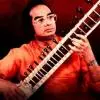
Night Sky is an instrumental composition by Indian musician Ananda Shankar. Released in 1975, the track appears on his self-titled album Ananda Shankar, issued by the label Reprise Records in the United States and EMI in India. The piece exemplifies Shankar’s fusion of traditional Indian classical music with Western psychedelic rock and funk, a style he pioneered in the late 1960s and 1970s.
The composition runs for 6 minutes and 18 seconds. Shankar performs on the sitar, blending its tonal qualities with electric guitar, synthesizers, and a rhythmic section featuring drums and bass. The arrangement incorporates elements of raga-based improvisation alongside structured grooves, reflecting his collaboration with Western session musicians during the recording sessions in London. The album’s production integrated analog studio techniques of the era, including tape echo and phasing effects.
Ananda Shankar marked the artist’s third studio release and his first under a major international label. The album’s tracklist included reinterpretations of classical ragas alongside original compositions, with Night Sky standing out for its atmospheric texture and extended instrumental passages. The record received attention in both Indian and Western markets, contributing to Shankar’s reputation as an innovator in cross-cultural music.
Limited documentation exists regarding the specific recording dates or personnel for Night Sky. The album’s liner notes credit Shankar as the primary composer and arranger, with contributions from unnamed studio musicians. Later reissues by labels such as Finders Keepers Records and Drag City in the 2000s reintroduced the work to contemporary audiences, often highlighting its influence on electronic and world fusion genres.
The track remains a notable example of Shankar’s experimental approach, bridging Eastern classical traditions with global popular music forms. Its legacy persists in compilations dedicated to 1970s Indian psychedelia and as a reference point for artists exploring similar fusion styles.