Mother Earth
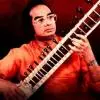
About Mother Earth
Mother Earth is a composition by Indian musician Ananda Shankar, released as part of his self-titled debut album in 1970. The track spans 8 minutes and 11 seconds and exemplifies Shankar’s fusion of traditional Indian classical music with Western psychedelic rock and funk elements. Shankar performed the sitar as the lead instrument, accompanied by electric guitar, bass, drums and synthesizers, creating a hybrid sound that distinguished his work from contemporary Indian classical recordings.
The album Ananda Shankar appeared on the Reprise Records label, a subsidiary of Warner Bros. Records, marking one of the earliest commercial releases to blend raga-based improvisation with electronic and rock instrumentation. Mother Earth stands as a notable track from the record, characterized by its extended instrumental passages, rhythmic complexity and the integration of Moog synthesizer textures. The composition reflects Shankar’s training under his uncle, sitarist Ravi Shankar, while incorporating his experiments with studio production techniques of the late 1960s.
Specific recording dates and session details for Mother Earth remain undocumented in widely available sources. The track’s structure follows a through-composed format without conventional verse-chorus divisions, emphasizing modal exploration and dynamic shifts. Shankar’s use of distortion effects on the sitar and the interplay between acoustic and electronic timbres contributed to the track’s distinctive sonic palette. The album’s original vinyl release included liner notes that described the music as a bridge between Eastern spirituality and Western countercultural trends of the era.
Later reissues of Ananda Shankar on CD and digital platforms retained Mother Earth as a centerpiece, often cited in discussions of cross-genre fusion in 20th-century Indian music. The track’s influence extended to subsequent generations of artists exploring world music and electronic fusion, though comprehensive reception data from its initial release period is limited. Shankar’s work on this album predated his more widely recognized 1975 collaboration A Moog Raga but established foundational elements of his artistic approach.