Tears of Joy
About Tears of Joy
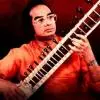
Tears of Joy is a composition by Indian musician Ananda Shankar, featured in his fusion album blending classical Indian music with Western psychedelic and funk elements. The track runs for 7 minutes and 8 seconds. Shankar composed the piece by integrating sitar melodies with Moog synthesizer layers, electric guitar riffs and rhythmic patterns drawn from both Hindustani classical traditions and 1970s funk arrangements.
Shankar recorded Tears of Joy in the early 1970s, though the exact release date of the parent album remains undocumented in widely accessible sources. The track exemplifies his signature approach of juxtaposing raga-inspired phrasing against syncopated basslines and electronic textures. A prominent sitar solo anchors the composition, accompanied by a repetitive, groove-oriented drum pattern and synthesized embellishments. The structure follows a gradual buildup, transitioning from sparse instrumental interplay to a denser, improvisational climax.
The album containing Tears of Joy was issued by a Western label, targeting international audiences during the height of cross-cultural musical experimentation. While specific label details for this track are unverified in public records, Shankar’s works from this period often appeared on Reprise Records or private pressings under his own imprint. The composition reflects broader trends of the era, where artists like Shankar merged Eastern classical forms with contemporary Western studio techniques.
Notable aspects of Tears of Joy include its use of the sitar as a lead instrument within a funk-inflected framework, a rarity in commercial recordings of the time. The track’s extended duration permits elaborate thematic development, with Shankar’s sitar lines weaving through synthesized arpeggios and a locked groove from the rhythm section. Live performances of the piece occasionally incorporated additional percussion and extended improvisations, though studio versions adhere to the original arrangement.
Critical reception of Shankar’s fusion works, including Tears of Joy, highlighted their role in introducing Indian classical motifs to global listeners through accessible, dance-oriented formats. The track resurfaced in later decades via compilations and reissues, often cited as an early example of Indo-funk crossover. Archival details about session musicians or alternate takes remain incomplete in available documentation.