Revolution
About Revolution
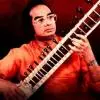
Revolution is a composition by Indian musician Ananda Shankar, released as part of his self-titled debut album in 1970. The track blends traditional Indian classical instruments with Western psychedelic rock and funk, exemplifying Shankar’s fusion of Hindustani music and contemporary global sounds. The album appeared on the Reprise Records label, a subsidiary of Warner Bros. Records, and marked a departure from conventional Indian classical presentations of the era.
The track runs for 4 minutes and 41 seconds. Shankar performs on the sitar, accompanied by electric guitar, bass, drums, and synthesizers. The arrangement features a repetitive, hypnotic groove with layered improvisations, reflecting influences from both raga traditions and 1960s rock experimentation. The album’s production involved collaboration with Western session musicians, though specific contributor credits for this track remain partially undocumented in available sources.
Revolution gained recognition for its innovative cross-genre approach, later becoming a cult favorite among enthusiasts of world fusion and psychedelic music. The album’s original vinyl release included the track as the opening piece on Side A. Subsequent reissues by labels such as Finders Keepers Records in the 2000s reintroduced the work to newer audiences. No official singles were extracted from the album, but Revolution received airplay in underground radio circuits during the early 1970s.
The broader album Ananda Shankar contains seven tracks, with Revolution standing out for its driving rhythm and prominent use of distortion effects on the sitar. The composition’s structure avoids traditional alaap-jor-jhala progression, instead adopting a cyclical, riff-based format. Lyrics or vocal elements are absent, focusing solely on instrumental interplay. The track’s legacy contributed to Shankar’s reputation as a pioneer in Indo-Western fusion, influencing later artists in both Indian classical and electronic music scenes.
Exact recording dates and studio locations for Revolution are not widely published. The album’s liner notes from the 1970 release provide limited technical details, emphasizing instead the experimental nature of the project. Later compilations and tribute albums have featured covers or reinterpretations of the track, though Shankar’s original remains the definitive version.