Arpan
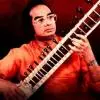
About Arpan
Arpan is an instrumental composition by Indian musician Ananda Shankar, released as part of his self-titled debut album in 1970. The track spans 8 minutes and 27 seconds and exemplifies Shankar’s fusion of traditional Indian classical music with Western psychedelic rock and funk elements. The album marked a departure from conventional raga performances by incorporating electric sitar, Moog synthesizer, and a rhythm section featuring drums and bass guitar.
Shankar composed and arranged the piece, blending Hindustani classical motifs with contemporary production techniques of the era. The recording sessions took place in London, where Shankar collaborated with session musicians, though specific personnel credits for this track remain partially undocumented. The label Reprise Records distributed the album in Western markets, while EMI India handled releases in South Asia. Arpan stands out for its extended improvisational passages, layered with synthesizer effects and a steady, groove-oriented percussion backbone.
The track’s title translates to \"offering\" in Hindi, reflecting its meditative and devotional undertones. Shankar’s use of the sitar as a lead instrument alongside electronic textures created a distinctive sound that influenced later Indo-fusion projects. While the album did not achieve immediate commercial success, Arpan gained recognition in subsequent decades as a cult favorite among enthusiasts of psychedelic and world fusion music. The original vinyl release included the composition as the opening track on Side B, though later reissues by labels such as Finders Keepers Records and Drag City repositioned it within compilation albums.
No official singles or alternate versions of Arpan were released, and live performances of the piece by Shankar are not widely documented. The composition’s legacy endures through its inclusion in retrospective anthologies of 1970s Indo-rock fusion, often cited for its innovative merger of Eastern and Western musical traditions. Additional details about the recording process, such as studio location or engineer credits, are not publicly verified.