
The Generations Series - The Sabri Family


About The Generations Series - The Sabri Family
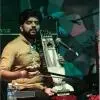
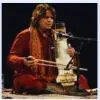
The Generations Series – The Sabri Family is a studio album released in 2008 under the Times Music label. The recording showcases a collaboration between four artists from the Sabri musical lineage: Sarvar Sabri, Suhail Yusuf Khan, Sabri Khan and Kamal Sabri. The album adopts a CD format and features five tracks that highlight North Indian classical traditions, particularly through instrumental performances on the sarangi, tabla and other associated instruments.
Sabri Khan contributes as a senior representative of the family’s musical heritage, while Sarvar Sabri and Kamal Sabri perform on the tabla. Suhail Yusuf Khan provides sarangi accompaniment, reinforcing the album’s focus on raga-based compositions. The tracklist includes Raag Megh, Raag Mian Ki Malhar, Tabla Solo Shikhar Tala, Raag Adana and Raag Pancham. Each composition emphasizes distinct ragas or rhythmic structures, with Tabla Solo Shikhar Tala serving as a dedicated percussive showcase.
The album’s release in 2008 coincided with Times Music’s The Generations Series, a collection intended to document familial legacies in Indian classical music. The Sabri Family’s installment underscores the transmission of stylistic techniques across generations, though specific recording locations, producers or additional session musicians remain undocumented in available sources. The work aligns with the broader tradition of Hindustani classical albums issued in the late 2000s, prioritizing acoustic instrumentation and improvisational frameworks.
Notable tracks such as Raag Mian Ki Malhar and Raag Adana reflect seasonal and emotive themes common to the genre, while the tabla solo demonstrates the Sabri school’s rhythmic intricacy. The album’s reception and commercial performance are not widely recorded, but its inclusion in Times Music’s catalog confirms its role as a documented artifact of the Sabri family’s artistic output during this period.