 Release Group
Recent Releases
View allTracklist (Primary Release)
About Pt. Kumar Gandharva
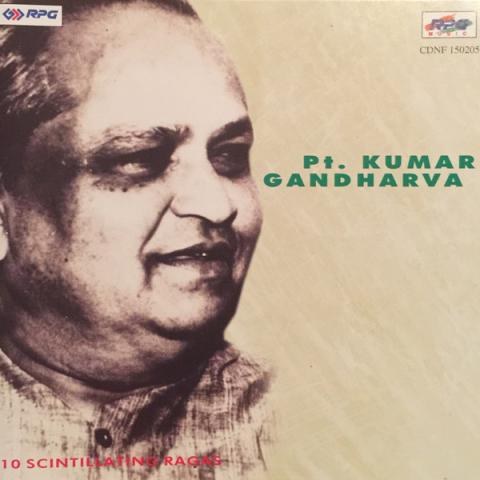
Pt. Kumar Gandharva is a studio album by Hindustani classical vocalist Kumar Gandharva, released on January 1, 1997. The album compiles ten khayal and semi-classical compositions showcasing Gandharva’s interpretations of traditional ragas. The primary format remains unspecified, but the release circulated under Gandharva’s name without an explicitly documented label.
The tracklist features performances in Raga Ahir Bhairav (\"Kaise Manalun Re\"), Raga Alahiya Bilawal (\"Laita Jaiyo\"), Raga Shuddh Sarang (\"Naina Na Mane Mora\"), and Raga Guari Basant (\"Aaj Perile Gori\"). Additional selections include Raga Dhanashree (\"Aajara Din Dooba\"), Raga Malavati (\"Mangal Din Aaj\"), Rag Chaiti Bhoop (\"Ni Mori Ka\"), Raga Nanad (\"Rajan Ab To Aaja Re\"), Raga Bahar (\"Aeso Kaiso Aayo Re\"), and Raga Sohni Bhatiyar (\"Mharoji Bhulo Na Mane\").
Gandharva’s renditions emphasize improvisational alaps and taans, reflecting his signature approach to raga elaboration. The album captures his late-career artistry, though specific recording dates and accompanying instrumentalists remain undocumented in available sources. The release serves as a representative collection of his contributions to the Jaipur-Atrauli gharana, blending traditional structures with his distinctive vocal phrasing.
No commercial chart performance or certification records for this album are publicly verified. The compilation’s reception relies on Gandharva’s established reputation as a pivotal figure in 20th-century Hindustani music, particularly for his revival of lesser-known ragas and folk-influenced compositions. Further details on production credits, alternate editions, or reissues are not confirmed in the provided context.