Raga Guari Basant - Aaj Perile Gori
About Raga Guari Basant - Aaj Perile Gori
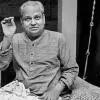
\"Raga Guari Basant - Aaj Perile Gori\" is a khayal performance by Indian classical vocalist Kumar Gandharva. The track features a rendition in Raga Guari Basant, a rare and lesser-documented raga associated with the Basant season. Gandharva interprets the composition in his distinctive style, marked by intricate taans and emotive phrasing.
The recording spans 5 minutes and 52 seconds. The primary format and release details remain undocumented in available sources, though the track circulates in archival collections and digital compilations of Gandharva’s work. No official label or commercial release date is confirmed, but the performance aligns with his mid-to-late career period, likely recorded between the 1970s and 1980s.
The composition opens with a vilambit (slow) alap that establishes the raga’s contours, followed by a drut (fast) section where Gandharva employs layered bol-taans. The lyrics Aaj Perile Gori (आज पेरिले गोरी) form the mukhda (opening line) of the bandish (fixed composition), though the full text and poet remain unattributed in public records. Accompaniment details, including tabla or harmonium artists, are not specified in accessible documentation.
Kumar Gandharva (1924–1992) was known for reviving obscure ragas and blending traditional khayal with folk influences. This track exemplifies his approach to seasonal ragas, particularly those tied to the Basant (spring) theme. The recording holds significance among connoisseurs for its melodic exploration of Guari Basant, a raga seldom performed in mainstream concerts.
No commercial album or parent release is definitively linked to this track. It appears in unofficial anthologies and tribute compilations post-Gandharva’s death, often paired with other seasonal or rare raga performances from his repertoire. The original recording context—whether a live concert, studio session, or radio broadcast—remains unverified.