Raga Bahar - Aeso Kaiso Aayo Re
About Raga Bahar - Aeso Kaiso Aayo Re
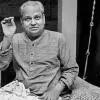
\"Raga Bahar - Aeso Kaiso Aayo Re\" is a Hindustani classical vocal composition performed by Kumar Gandharva. Released in an unspecified year, the track exemplifies the raga Bahar, a spring-seasonal raga traditionally associated with joy and celebration. The recording spans 5 minutes and 46 seconds and adopts the khayal style, a dominant form in North Indian classical music.
Kumar Gandharva rendered the piece in his distinctive vocal technique, characterized by intricate taan patterns and emotive phrasing. The composition opens with an alaap that establishes the raga’s melodic framework before transitioning into the main bandish (fixed composition), \"Aeso Kaiso Aayo Re.\" The lyrics, rooted in folk poetry, reflect themes of seasonal renewal and divine invocation. Accompaniment details remain undocumented, but traditional performances of this nature typically feature the tanpura for drone support and the tabla for rhythmic cycles.
The recording format and original release label are not publicly verified. Kumar Gandharva, a pivotal figure in 20th-century Hindustani music, frequently reinterpreted traditional ragas with innovative approaches, and this track aligns with his broader discography of raga explorations. The piece is often cited in discussions of his contributions to light-classical and semi-classical repertoires, though its precise album or compilation context is unclear. No commercial reissues or digital remasters have been officially confirmed as of the latest available records.
Notable for its brevity compared to extended classical performances, the track condenses the essence of raga Bahar while retaining improvisational depth. The composition’s structure adheres to the vilambit (slow) and drut (fast) sections, though the recording emphasizes lyrical clarity over elaborate layakari (rhythmic play). Further metadata, including session musicians or recording location, is absent from accessible sources.