 Release Group
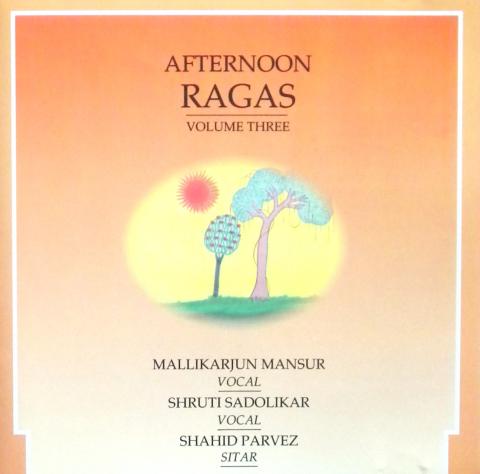
Afternoon Ragas (Vol 3)



Recent Releases
View allTracklist (Primary Release)
About Afternoon Ragas (Vol 3)
Afternoon Ragas (Vol 3) is a release group by Hindustani classical vocalist Mallikarjun Mansur. The album forms part of a series dedicated to ragas traditionally performed in the afternoon. Mansur presents three ragas in this volume, adhering to the khayal style of the Jaipur-Atrauli gharana.
HMV India released the album under the title Afternoon Ragas - Volume Three on January 1, 1992. The primary format remains unspecified in available records, though releases of this era commonly appeared on audio cassette and compact disc. The label HMV (His Master’s Voice) distributed the work as part of its classical music catalog.
The tracklist features three compositions. Mansur performs Raga Bhimpalasi, a late afternoon raga associated with the Kafi thaat and characterized by its emotive, introspective phrasing. The second track, Raga Patdeep, belongs to the Khamaj thaat and often evokes themes of longing or devotion. The final piece, Raga Mand, is a lesser-performed raga of the Puruvi thaat, known for its meditative and solemn mood. Each track follows the conventional structure of alaap, jor, and vilambit/drut compositions, though specific performance durations and accompanying artists remain undocumented.
Mansur’s renditions in this volume reflect his mastery of meend (glissando) and gamak (ornamentation), hallmarks of his vocal technique. The recording context, including session musicians or production details, is not explicitly recorded in accessible sources. The album contributes to Mansur’s discography of raga explorations, which spans decades of live performances and studio recordings.
As with many classical releases of its time, Afternoon Ragas (Vol 3) targets connoisseurs of Hindustani music, offering a structured presentation of raga forms within their prescribed time (prahar). The release date aligns with a period when Mansur’s recordings gained wider circulation beyond regional audiences, facilitated by HMV’s national distribution network.