Sree Dakshinamoorthim Keeravani Adi
About Sree Dakshinamoorthim Keeravani Adi
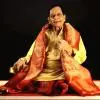
Sree Dakshinamoorthim Keeravani Adi is a Carnatic music composition performed by M. Balamuralikrishna and featured as the second track on the album Raagaanga Ravali. The piece adheres to the Keeravani raga set in Adi tala, a foundational rhythmic cycle in South Indian classical tradition. The recording spans 10 minutes and 6 seconds, showcasing Balamuralikrishna’s vocal interpretation of the kriti, which venerates Dakshinamoorthy, a form of Shiva as the supreme teacher.
The album Raagaanga Ravali released in June 2006 under an unspecified label, though the primary format was a compact disc (CD). The collection emphasizes Balamuralikrishna’s renditions of classical kritis, with Sree Dakshinamoorthim standing out for its elaborate alapana (raga elaboration) and neraval (improvisational variations) segments. The composition’s lyrical structure follows traditional Carnatic conventions, with sections dedicated to pallavi (theme), anupallavi (sub-theme), and charanam (verses).
M. Balamuralikrishna, a prolific composer and vocalist, frequently incorporated complex melodic phrases and rhythmic intricacies into his performances. This track exemplifies his mastery of Keeravani, a raga known for its contemplative and devotional character. The accompanying instrumentation, though not explicitly documented in available sources, typically includes violin, mridangam, and tambura in Carnatic vocal recordings of this period. The 2006 release forms part of Balamuralikrishna’s later discography, which continued to influence Carnatic music pedagogy and concert repertoires.
Further details regarding the album’s production team, session musicians, or alternate releases remain unverified in public records. The track’s duration and placement within Raagaanga Ravali align with Balamuralikrishna’s tendency to allocate extended time to raga exploration in studio recordings, distinguishing it from abbreviated concert versions.