Sree Gurum Rathnangi Rupaka
About Sree Gurum Rathnangi Rupaka
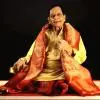
Sree Gurum Rathnangi is a Carnatic vocal composition performed by M. Balamuralikrishna in the rupaka talam. The track appears as the second piece on the album Raagaanga Ravali, released in June 2006. The recording spans 5 minutes and 10 seconds and was issued in CD format.
The album Raagaanga Ravali features M. Balamuralikrishna as the primary artist. The release date is confirmed as June 2006, though the producing label remains undocumented in available sources. The composition Sree Gurum Rathnangi exemplifies Balamuralikrishna’s interpretation of traditional Carnatic repertoire, characterized by his distinctive vocal technique and adherence to classical structures.
M. Balamuralikrishna (1930–2016) was a renowned Carnatic vocalist, composer and multi-instrumentalist known for his contributions to South Indian classical music. His discography includes numerous studio and live recordings, with Raagaanga Ravali representing one of his later commercial releases. The album’s tracklist and thematic focus are not fully cataloged, but the inclusion of Sree Gurum Rathnangi aligns with his frequent renditions of devotional and classical kritis.
The composition follows the conventions of rupaka talam, a rhythmic cycle comprising three beats per measure. Balamuralikrishna’s rendition incorporates improvisational elements typical of Carnatic performance, including neraval and kalpana swaram, though specific lyrical or melodic adaptations in this recording are not detailed in public records. The track’s duration and placement on the album suggest a concise yet structurally complete presentation of the piece.
Further metadata regarding the album’s production, accompanying artists or additional tracks is incomplete. The CD format indicates a commercial release intended for physical distribution, consistent with Balamuralikrishna’s recorded output during the 2000s.