Raga Puriya Dhanashri
About Raga Puriya Dhanashri
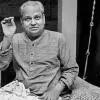
Raga Puriya Dhanashri refers to a 1960s recording by Kumar Gandharva that showcases the eponymous raga from the Hindustani classical tradition. The artist rendered this performance in khyal style, a vocal form characterized by intricate melodic improvisation and rhythmic elaboration. The recording spans 6 minutes and 24 seconds.
Kumar Gandharva selected Puriya Dhanashri, a raga of the Kafi thaat, for its emotive depth and structural flexibility. The composition adheres to the raga’s conventional scale, ascending as ni re ga ma pa dha ni sa and descending as sa ni dha pa ma ga re sa, with ga and ni as the komal (flattened) swaras. The artist emphasized the raga’s chalan (melodic movement) through gradual alaap and taan expansions, a hallmark of his interpretive approach.
The recording format and label remain undocumented in available sources. The track features no instrumental accompaniment details, though Hindustani vocal performances of this era typically included tabla and tanpura. Kumar Gandharva’s rendition highlights his signature phrasing, marked by deliberate pauses and microtonal inflections that underscore the raga’s introspective quality.
Notable aspects of the performance include the artist’s use of bol-banao (lyrical improvisation) in the madhyalaya (middle tempo) section, where he weaves syllabic patterns into the melodic framework. The recording concludes with a brief drut (fast) passage, demonstrating his command over layakari (rhythmic play). No commercial release date or catalog number is verified, and the track’s circulation stems primarily from archival collections and private recordings attributed to the artist’s live or studio sessions during the 1960s.
The context does not specify whether this recording originated from a concert, radio broadcast, or studio session. Kumar Gandharva’s interpretations of Puriya Dhanashri are frequently cited for their deviation from rigid traditionalism, incorporating folk and regional influences into the classical structure. Further metadata, including session musicians or production credits, is absent from public records.