Raga Bahar
About Raga Bahar
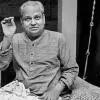
Raga Bahar is a Hindustani classical vocal performance by Kumar Gandharva, a prominent 20th-century Indian classical vocalist known for his innovative approach to khayal and folk-influenced renditions. The recording captures a concise interpretation of Raga Bahar, a spring-seasonal raga traditionally performed during the vasant ritu (spring) and associated with themes of blossoming nature and joy. The composition adheres to the raga’s characteristic shuddha dhaivat (pure Re) and komal nishad (flattened Ti), with Gandharva’s rendition emphasizing its lyrical and emotive qualities.
The track spans 5 minutes and 44 seconds, presenting a condensed yet expressive exploration of the raga’s alaap-jor-jhala and bandish (fixed composition) segments. Gandharva’s vocal technique incorporates subtle meend (glides) and gamak (ornamentations), reflecting his signature style that blended classical rigor with regional folk influences from Malwa. The accompaniment details—such as the tabla or tanpura artists—remain undocumented in available sources, though the recording aligns with his frequent collaborations with minimalist instrumental support to highlight vocal intricacy.
The release year and original label for this specific recording are not explicitly verified in public records. Kumar Gandharva’s discography includes numerous live and studio recordings issued by labels such as HMV (His Master’s Voice), Music Today, and Magnasound during his active years (1940s–1992). This rendition likely originates from a compilation or archival album dedicated to his raga interpretations, given its brevity compared to his typical extended performances. Notable tracks in Gandharva’s repertoire often feature rare or lesser-performed ragas, and Raga Bahar exemplifies his ability to convey seasonal ragas with emotional depth in abbreviated formats.
The composition’s textual content (if any) and the specific taal (rhythmic cycle) employed are not detailed in accessible sources. Kumar Gandharva’s interpretations frequently adapted traditional bandishes or incorporated self-composed verses, prioritizing melodic storytelling over rigid structural constraints. This recording serves as a representative example of his late-career work, where he balanced technical precision with an accessible, evocative delivery. For broader context, his contributions to Hindustani classical music include revitalizing obscure ragas and advocating for music as a tool for social and cultural expression.