Raga Patmanjiri
About Raga Patmanjiri
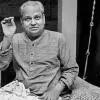
Raga Patmanjiri is a Hindustani classical raga composition performed by Kumar Gandharva. The recording spans 18 minutes and 31 seconds. Gandharva rendered this raga in his signature style, blending traditional khayal with folk and regional influences. The performance date and release year remain undocumented in widely accessible sources, though archival recordings suggest circulation in the mid-to-late 20th century.
Gandharva structured the rendition with an alaap that gradually unfolds the raga’s contours, emphasizing komal re (flattened second) and teevra ma (sharp fourth) as defining swaras. The composition progresses into a vilambit (slow-tempo) section, followed by a drut (fast-tempo) exploration. Accompaniment details, including tabla or tanpura artists, are not explicitly credited in available references.
The recording format and original label remain unverified, though later compilations feature the track under labels such as HMV (His Master’s Voice) or private archival collections. Notable for its introspective phrasing, the performance highlights Gandharva’s approach to raga elaboration, where melodic development prioritizes emotional depth over technical virtuosity. No specific track title is assigned beyond the raga name, and the recording lacks a commercially released album context in public records.
Kumar Gandharva (1924–1992) frequently performed lesser-known ragas like Patmanjiri, contributing to their preservation in the Hindustani tradition. This rendition exemplifies his repertoire, which often incorporated ragas from the Dhrupad tradition and regional folk melodies. The absence of formal release metadata limits precise historical placement, but the recording persists as a reference for students of the Gwalior gharana and Gandharva’s interpretive legacy.