Raga Maru Bihag

About Raga Maru Bihag
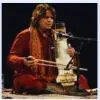
Raga Maru Bihag is a 46-minute-54-second instrumental track recorded by sarangi virtuoso Ustad Sultan Khan and sarod player Kamal Sabri. The composition appears as the opening track on their collaborative album Hum Kalaam – Face To Face, released on January 1, 2007 under the Music Today label. The album adopted a CD format and showcased a live studio interaction between the two artists, emphasizing the improvisational and conversational aspects of Hindustani classical music.
The track centers on Raga Maru Bihag, a late-night raga from the Kafi thaat that blends elements of Bihag and Marwa. Sultan Khan and Kamal Sabri explore the raga through alternating alaap, jor, and jhala sections, followed by a structured gat composition in teentaal (16-beat cycle). The performance highlights the sarangi’s vocal-like phrasing and the sarod’s percussive resonance, with accompaniment provided by an unspecified tabla artist. The recording captures the spontaneous exchange between the musicians, adhering to the traditional jugalbandi (duet) format without overdubs or post-production alterations.
Hum Kalaam – Face To Face marked one of Sultan Khan’s later studio collaborations before his death in 2011. Kamal Sabri, representing the Senia-Maihar gharana, contributed to the album’s focus on raga elaboration and rhythmic interplay. The release received distribution in India and select international markets, though specific sales figures or chart performances remain undocumented. The album artwork and liner notes feature minimalist design, emphasizing the artists’ names and the raga titles without additional commentary.
No official music videos or alternate versions of Raga Maru Bihag from this session exist. The track’s duration and unedited presentation reflect the conventions of classical Indian recordings, prioritizing continuous performance over segmented production. Further details about the recording location, engineers, or additional session musicians are not publicly available.