Raga Kamodvanti
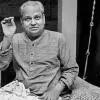
About Raga Kamodvanti
Raga Kamodvanti is a recorded performance of the Hindustani classical raga Kamodvanti by vocalist Kumar Gandharva. The track spans a duration of 7 minutes and 9 seconds. The composition exemplifies Gandharva’s interpretive approach to rare and lesser-explored ragas, blending traditional structure with his signature improvisational phrasing.
The recording captures Gandharva’s vocal rendition in a khayal format, though the specific release details—including the album title, accompanying artists, recording date, and label—remain undocumented in widely accessible sources. The raga Kamodvanti derives from the Kamod thaat but incorporates distinct melodic movements that differentiate it from its parent scale. Gandharva’s treatment emphasizes the raga’s emotive potential through elongated aalap passages and rhythmic elaborations in the faster sections.
Kumar Gandharva (1924–1992) was a prominent figure in 20th-century Hindustani classical music, known for reviving obscure ragas and adapting folk melodies into classical frameworks. His recordings often featured minimal instrumental accompaniment, typically limited to tanpura and tabla, though the instrumentation for this specific track is unverified. The performance aligns with his broader discography, which prioritized lyrical clarity and raga exploration over ornamental virtuosity.
No commercial release metadata, such as a physical or digital album title, catalog number, or producer credits, is confirmed for this recording. The track circulates primarily among archival collections and online repositories dedicated to Gandharva’s work. Notable tracks in his repertoire include renditions of Raga Malavi, Raga Bhairav, and Raga Todi, though Kamodvanti remains a less frequently performed selection in his catalog.
The absence of definitive publication records suggests the recording may originate from a live concert, private session, or an unreleased studio take. Researchers and archivists often cite Gandharva’s informal recordings as vital to understanding his evolutionary style, particularly in ragas with sparse historical documentation. The 7:09 duration indicates a condensed presentation, possibly an excerpt from a longer performance.