Raga Kalyan
About Raga Kalyan
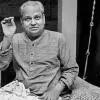
Raga Kalyan refers to a 1970s recording by Kumar Gandharva that presents a rendition of the eponymous raga in the Hindustani classical tradition. The artist performed the composition in the khyal style, a vocal form characterized by improvisation within the framework of a fixed melodic structure. The recording spans 6 minutes and 36 seconds.
Kumar Gandharva selected Raga Kalyan, a prominent raga from the Kafi thaat, known for its expansive scope and association with late evening or early night performances. The artist employed a slow to medium tempo (vilambit and madhya laya) in this interpretation, emphasizing the raga’s ascending and descending phrases (arohana-avrohana) with intricate taans and bol-taans. The recording captures his signature approach, blending traditional phrasing with personal innovations in swara treatment.
The format of the release remains undocumented in available sources. No label, catalog number, or exact release date is confirmed, though the work aligns with Gandharva’s broader discography from the 1970s, a period marked by live concert recordings and studio sessions. The track stands as a representative example of his contributions to the Yaman-Kalyan raga family, often explored in his repertoire.
Notable aspects of the performance include the artist’s use of gamak (ornamentation) in the mandra saptak (lower octave) and his development of the raga’s chalan (melodic movement) through gradual elaboration. The recording omits accompaniment details, but Gandharva frequently collaborated with tabla players such as Taranath Rao and harmonium artists like Vasantrao Deshpande in similar contexts. The absence of additional metadata limits further description of production or session specifics.
The work reflects Kumar Gandharva’s broader influence on 20th-century Hindustani vocal music, particularly his role in reviving lesser-performed ragas while reinterpreting established ones. Scholars and archivists often cite his Kalyan renditions as pivotal in demonstrating the raga’s adaptability across temporal and emotional contexts.