Raga Chander Bhankar - Alap
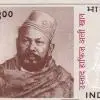
About Raga Chander Bhankar - Alap
Raga Chander Bhankar – Alap is a recording of a solo sarod performance by Ustad Hafiz Ali Khan. The work showcases the alap section of Raga Chandrakaushik Bhankar, a rare and complex raga associated with the late-night hours in Hindustani classical music. Hafiz Ali Khan rendered the composition in the dhrupad ang style, emphasizing slow, meditative development and intricate melodic exploration.
The recording date and original release format remain undocumented in widely accessible sources. Hafiz Ali Khan performed the piece on the sarod, accompanied by sustained tanpura drone. The label or publisher of the recording is not confirmed in available references. The track exemplifies Khan’s mastery of alap, characterized by gradual unfolding of the raga’s structure through meend (glissando), gamak (ornamentation), and deliberate phrasing.
Notable aspects of the performance include the use of komal re (flattened second) and komal dha (flattened sixth), central to Raga Chandrakaushik Bhankar’s identity. The recording captures Khan’s deep tonal control and his adherence to the gayaki ang (vocal-style phrasing) tradition of sarod playing. The duration of the alap aligns with classical conventions, though exact timing varies across releases. No additional tracks or accompanying artists are verified in this specific recording.
Hafiz Ali Khan (1888–1972) belonged to the Shahjahanpur gharana and was a pivotal figure in 20th-century Hindustani instrumental music. His interpretations of rare ragas, including Chandrakaushik Bhankar, influenced subsequent generations of sarod players. The recording serves as a reference for students and performers studying the raga’s grammatical and emotional dimensions.
Limited commercial releases of this performance exist, with some versions appearing in archival collections or posthumous compilations. The absence of standardized metadata complicates precise attribution of release years or labels. Scholars and archivists often cite the recording as a key example of Khan’s late-career work, though specific publication details remain unconfirmed in primary sources.